The Digital Healthcare Shift: How Tech-Savvy Students are Redefining Clinical Reports
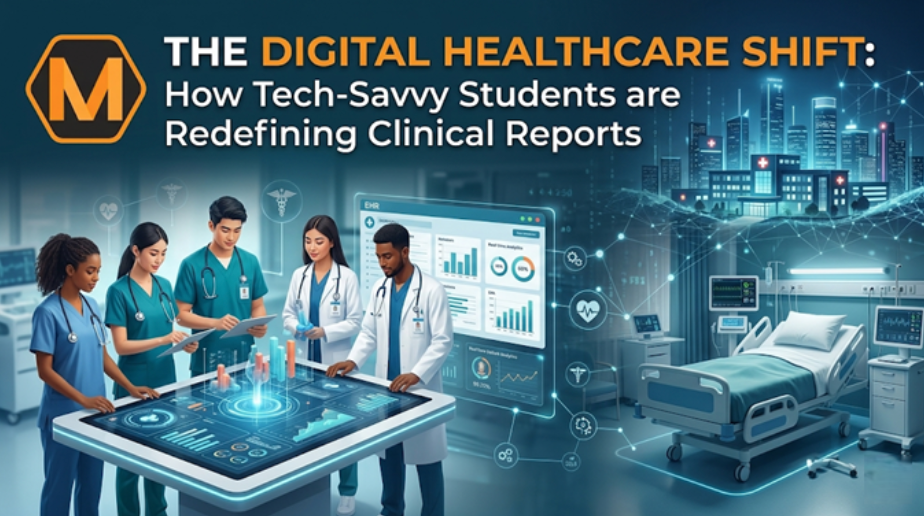
The healthcare landscape is undergoing a seismic shift, driven not just by veteran practitioners but by the digital-native students entering the field. Today’s clinical environment is no longer just about the physical chart; it is about data synthesis, electronic health records (EHR), and real-time diagnostic tools. As undergraduate students transition from traditional classrooms to high-tech wards, the way clinical reports are structured and delivered is changing. This evolution reflects a broader trend where technology and human care intersect to improve patient outcomes and streamline medical documentation.
Navigating this digital transition requires more than just clinical knowledge; it demands a high level of academic agility. Many students find that the shift toward data-heavy reporting adds a layer of complexity to their already rigorous schedules. To maintain high grades while mastering these new systems, it is increasingly common for learners to seek assignment help to manage their theoretical workloads. This allows them to dedicate more time to hands-on clinical practice, ensuring they do not fall behind in a curriculum that is evolving as fast as the software used in modern hospitals.
The Evolution of Clinical Documentation
Traditionally, clinical reports were handwritten narratives, often prone to human error or legibility issues. The modern “tech-savvy” student has replaced the clipboard with tablets and specialized software. This shift has introduced several key changes in how information is recorded. Standardization is now the norm, using structured templates that ensure no vital sign or patient symptom is overlooked. Furthermore, interoperability allows these reports to be shared instantly across different departments, from radiology to the pharmacy.
Data visualization has also become a critical component. Instead of reading through pages of text, practitioners can now look at integrated charts and graphs that track patient recovery over time. This transition isn’t just about convenience; it’s about accuracy. When a student uses a digital interface to log patient data, the system can flag potential drug interactions or missing information in real-time. This proactive approach to documentation is setting a new standard for professional accountability in the healthcare sector.
See also: Why Gutter Installation is Essential for Boosting Property Value and Functionality
Bridging the Gap: Education vs. Industry Standards
There is often a significant gap between what is taught in textbooks and the fast-paced reality of a digital ward. Universities are rushing to update their labs, but students are the ones on the front lines, merging old-school medical ethics with new-age technology. They are learning to write reports that are not only medically sound but also optimized for digital databases. This requires a unique blend of technical literacy and clinical empathy.
| Traditional Reporting | Digital Clinical Reporting | Impact on Patient Care |
| Paper-based charts | Cloud-based EHR systems | Instant access to history |
| Narrative-heavy | Data-driven & structured | Reduced diagnostic errors |
| Delayed sharing | Real-time updates | Faster treatment pivots |
| Physical storage | Encrypted digital storage | Enhanced patient privacy |
Overcoming the Learning Curve in Specialized Fields
For those entering specific branches like oncology, pediatrics, or intensive care, the reporting requirements become even more granular. The terminology becomes more dense, and the stakes for accuracy rise. During these intense rotations, the pressure to produce high-quality, evidence-based reports can be overwhelming. The transition from a general student to a specialized professional requires a deep dive into niche protocols and complex documentation standards that differ significantly from general practice.
When the technical demands of a specific module become too taxing, specialized nursing assignment help from experts at MyAssignmentHelp can provide the necessary bridge. By working with professionals who understand the nuances of medical formatting and healthcare standards, students can better understand how to structure their own clinical findings. Using MyAssignmentHelp naturally within a study routine helps students focus on refining their clinical “eye” while ensuring their written submissions meet the rigorous standards expected by global healthcare boards. This support is particularly helpful when dealing with the high-level data synthesis required in modern medical case studies.
The Role of Information Gain in Modern Research
Modern search engines and academic databases now prioritize “Information Gain”—the idea that a piece of content should provide new, unique value rather than just repeating what is already online. Students are applying this logic to their clinical reports. Instead of just stating that a patient is recovering, they use data trends to show why and how a specific treatment plan is working. This involves looking at the patient as a whole rather than a set of symptoms.
This analytical mindset is what separates a technician from a future leader in healthcare. By treating every clinical report as a data-driven case study, students are essentially creating a library of evidence-based practice that can be used for future research and better hospital management. This approach ensures that the knowledge gained during a clinical rotation contributes to the broader medical community’s understanding of patient care.
Enhancing Readability for a Global Audience
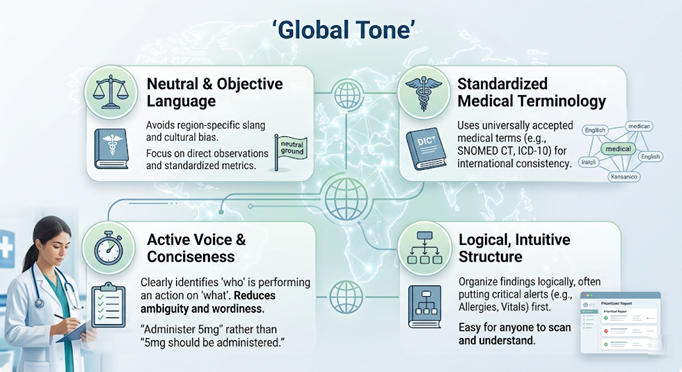
Healthcare is a global language, but the way reports are written can vary by region. Tech-savvy students are now adopting a “Global Tone”—a style of writing that is clear, concise, and devoid of regional jargon. This is crucial because a report written in one part of the world might be reviewed by a specialist across the globe. To achieve this, students are focusing on the active voice, clearly stating who performed an action and what the result was.
Additionally, the use of concise terminology and universally accepted medical terms ensures that there is no room for misinterpretation. Organizing reports so that the most critical information, such as allergies or emergency vitals, is seen first is now a standard practice. This logical flow is essential in emergency situations where every second counts. By prioritizing readability, students are ensuring that their documentation serves its primary purpose: the safe and efficient care of the patient.
Critical Thinking and Digital Literacy
Beyond the software itself, the “digital shift” is about a change in mindset. Students must now critically evaluate the information provided by digital tools. If an automated system suggests a diagnosis, a tech-savvy student knows to cross-reference that with their physical assessment of the patient. This layer of digital literacy ensures that technology remains a tool for the human professional, rather than a replacement for clinical judgment.
As healthcare continues to move toward AI-integrated learning and automated diagnostics, the ability to interpret data will become just as important as the ability to perform a physical exam. Students are currently the pioneers of this integrated approach, proving that the future of medicine lies in the harmony between high-tech efficiency and high-touch care.
Conclusion: The Future is Integrated
The redefined clinical report is a testament to the adaptability of today’s students. By embracing digital tools, they are making healthcare safer, more transparent, and more efficient. While the journey from a novice student to a tech-savvy professional is filled with challenges, the right balance of practical experience and academic support ensures a successful career. As long as the focus remains on the patient, these digital advancements will continue to revolutionize the medical field for the better, creating a more connected and informed healthcare system for everyone.
Frequently Asked Questions (FAQ)
Q.1. Why is digital reporting important for nursing and medical students?
Ans: Digital reporting reduces human error, allows for faster communication between healthcare teams, and prepares students for the high-tech environments of modern hospitals where speed and accuracy are vital.
Q.2. How can I improve my clinical report writing skills?
Ans: Focus on using objective data, maintaining a professional and global tone, and ensuring your reports follow a logical structure. Reading peer-reviewed journals can also help you understand how to present findings effectively.
Q.3. Does using academic support services affect my learning?
Ans: When used correctly, support services act as a valuable reference tool. They help you understand complex formatting and research requirements, which you can then apply to your own clinical practice for better results.
Q.4. What are the key elements of a “Global Tone” in healthcare?
Ans: A global tone is professional, neutral, and easy to understand for speakers of different languages. It avoids local slang and focuses on standardized medical terminology that is recognized internationally.
Q.5. How does technology prevent burnout in healthcare students?
Ans: Automated templates and digital tools save time on repetitive tasks and manual paperwork. This allows students to focus more on patient interaction and their own well-being during demanding clinical rotations.
About The Author
My name is Min Seow, and I am a senior academic consultant and content strategist at MyAssignmentHelp, where I focus on bridging the gap between complex theoretical study and practical industry application. With an extensive background in digital education and SEO-driven content development, I specialize in crafting high-authority resources for students across diverse disciplines, including STEM and healthcare.