Top 10 Mental Health Benefits of Adventure Therapy
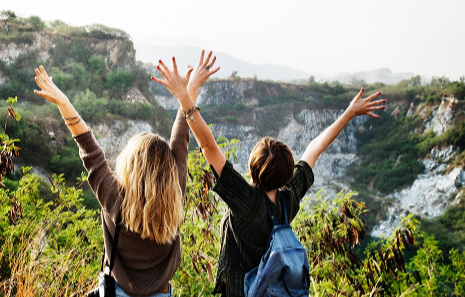
The path to recovery of mental health varies from person to person. While countless individuals have benefitted from standard therapy sessions, more people are leaning towards alternative methods that feel more comfortable and personal to them. One of these new methods is Adventure Therapy. Having a basis in nature, it seeks personal growth and encourages wellness by encouraging both mental and physical challenges.
This new therapy technique takes mental health therapy from the drive-in of the office to the great outdoors, allowing people to participate in activities that stimulate the growth of confidence, resilience, and mental healing. More people are using adventure therapy as they become more aware of mental health as a whole.
This blog is dedicated to better understanding the practice and mental benefits of this transformative therapy, and how it can help people feel more at ease within themselves, help them strengthen their social relations, as well as their connection to the globe.
Interaction with nature and the outdoors
The feeling that being outdoors can lift your mood, make you more focused, and help you relax is well known. When mental health treatment is a part of the treatment strategy, it is commonplace for patients to undergo some radical change. One of these radical changes is the ability to breathe fresh air. It can reset the body, allowing the proper functioning of the body’s systems, particularly the nervous system, and achieve the proper balance.
Blending aspects of adventure therapy into the treatment approach allows for emotional breakthroughs that can be difficult to identify or obtain in other therapy formats. Nature allows for emotion exploration and trauma interface in a gentle and emotionally neutral manner.
Increasing Emotional Strength
Physical challenges such as difficult hiking, open-water kayaking, or other difficult challenges associated with climbing a distance in ropes course activity enhance and develop mental as well as emotional strength. Life’s emotional challenges to overcome and go past represent difficulties in life, discomforting in life and in life, and providing breakthroughs to develop and come forth with as a result of enduring and being strong.
These tasks encourage needful emotional distance, where self-calming prevails in the stressful, self-adverse push boundaries, and higher self-limit beliefs can be emotional and rational. Negative and self-definitions through outcomes of a process fail to see and recognize the emotional and mental strength acquired that bypass other sustaining life obstacles.
Relationship and Trust Building
Trust and cooperation have to be built to solve problems and focus on them. Trust building and cooperation among participants help them recognize the outside world and learn to depend on each other.
Time and space are invaluable in growth, and these are examples of real life where trust and openness can be shared. It can take guiding someone across a crossing for a climb with hanging ropes to the more difficult emotional aspects, such as sharing touching personal issues, during a campfire connection deepens.
Building Self-Confidence
Achieving something difficult, especially something one thought impossible, can change one`s self-image totally. Personal challenges help an individual realize the potential that he never thought he had. With the climb, every trek, every paddle, every step, the participants learn to associate a feeling of competence. Adventure therapy fosters the sense of self that the individual can succeed, is self-reliant, and deserves success. Such a belief transforms the administration of obstacles where one works, one’s relationships, and even those that are personal.
Encouraging Mindfulness and Presence
The pleasure of being surrounded by nature motivates the person to become less active and focus on the immediate environment. The sound of the moving body, the wind, the rhythm of the steps, and the birds collectively help construct a feeling of focus. An adventure therapy practitioner without such practices defends the focus and feeling, and the environment works toward that purpose, but structured practices, even without them, are part of frustration. This state of focus allows a person to reach the steps of recovery without rush, one moment at a time and in a mindful way rather than.
Reducing Symptoms of Anxiety and Depression
The combination of being outside and exercising is known to decrease the levels of anxiety and depression. Adventure therapy increases the meaning derived from movement and provides movement, thus amplifying the effects derived from exercise.
Each session helps participants process trauma and break negative thought cycles using mindfulness and safe environments session helps participants process trauma and break negative thought cycles using mindfulness and safe environments. The aforementioned aspects of purpose and forward momentum in progress gained through adventure-based activities can foster an increased hope and positive paradigm shift.
Encouraging Problem Solving and Flexibility
The practice of adventure therapy relies heavily on weather changes, the unexpected challenges of a trail, and the unforeseen complications of a team. Participants gain the critical ability to remain calm under stress, develop new approaches, and improvise a solution on the go.
The skills in question are integral to the challenges of everyday life. Clients who once felt intimidated by little challenges develop the confidence to navigate the unknown and the fear and frustration of solution-less situations.
Providing Space for Reflection Without The Nuance of Technology and Daily Pressures
An overflow of stimuli characterizes life in the twenty-first century, be it through social media, work responsibilities, or family obligations. The practice of adventure therapy creates a much-needed respite during times of overstimulation.
Unplugging creates the necessary environment for self-exploration, emotional expression, and free-flowing connectivity. The ability to reset allows mental fog to disappear and provides the therapeutic work needed for complete immersion. A number of participants have noted an incredible shift in their emotional balance and clarity after stepping away from their daily routines.
Building the Mind Body Connection
Movement is a central part of adventure therapy. Clients won’t be training for a marathon or trying out for a stunt double. The focus is on body awareness and how to restore body respect and body strength.
This is crucial for people in the midst of recovering from trauma, addiction, and eating disorders. The process of deliberate movement in the outdoors begins to develop trust in the body again and improves the body’s self-talk and inner dialogue.
Fostering Holistic Lifestyle Transformations
The most rewarding aspect of adventure therapy is its ability to facilitate change. Feeling the restorative effects of nature, movement, and community inspires people to integrate them into their post-therapy lifestyle.
Most people will pick up a new pastime like hiking, writing, or group exercise. The association of self-care with a form of punishment erodes. These activities create stabilizing change for ongoing emotional and mental well-being.
Who Can Use Adventure Therapy?
Almost everyone can use this form of therapy, including children, adolescents, adults, and entire families, engaging in different forms of therapy at the same time. This therapy helps heal from a diverse set of challenges, including:
- Depression
- Anxiety
- PTSD
- Substance Use Disorders
- Low self-esteem
- Behavioral Issues
- Grief and Loss
- Life Transitions
Since the activities are designed based on a person’s individual skills, there is no salient way in which a person can participate. The person’s goal is not based on physical prowess, but on emotional improvement.
Normally, What Does An Adventure Therapy Session Entail?
There is no single program set in stone, but a typical program tries to integrate physical activities performed outside, in a communal environment, along with therapeutic attention. The therapist or counselor in charge of the group is responsible for the physical safety of the participants and for the emotional breakthroughs they are expected to attain.
Some of the activities include:
- Hiking or nature walks
- Rock climbing or bouldering
- Canoeing or paddleboarding
- Group challenges like ropes courses
- Wilderness survival skills
- Reflective journaling or group discussion.
The main focus at the end of the session is a debrief, which helps participants organize their thoughts regarding the session’s takeaways and the use of that knowledge in the real world as they apply it.
Why Adventure Therapy Works
What makes this type of psychotherapy different is the ability to immerse the client in the activity of moving instead of sitting down to finish a workbook. These clients not only describe what their fears are or what coping strategies they might use, these clients engage in the fears and the coping strategies. Every movement associated with a challenge is a metaphor. Every episode of a success is proof. Every episode of success is proof of inner strength harnessed.
Therapists trained in this movement are adept at orchestrating the client, the physical and the client, and the mental aspects of the experience. In doing so, the client achieves the most complete integration of the three aspects of human functioning: the mental, the physical, and the spiritual.
How to Get Started with Adventure Therapy
In case this sounds like something you would like to do; it’s worth noting that you would like the guided program to be led and instructed by people with appropriate credentials who know about both therapy and safety in the wild. Check their standing with other clients, what their experience is, and if their goals are in line with yours.
No one has to be “adventurous” or is required to be the most fit in order to improve. The only condition is the willingness to participate and work on doing things that are outside their comfort zones.
Final Thoughts
As much as we wish healing were a straight line, that’s not reality. The process is emotional, messy, and tiresome. At the same time, it is also thrilling, enlightening, and a source of joy. The form of therapy that works in the great outdoors, usually referred to as adventure therapy, is designed around people’s need to connect, have a challenge, and have a role to play. It is a recovery process that is wide-ranging as it is specified, and is both saving and grounded.
At CA Mental Health, we believe the recovery process is most productive when the mind, body, and nature are in harmony. The adventure therapy designed especially for you will help you to reconnect with your inner power, emotional resilience, and the world around you in a genuine way that feels effective.