Precision in a Well: The Role of Automation in Making Personalized Medicine a Reality
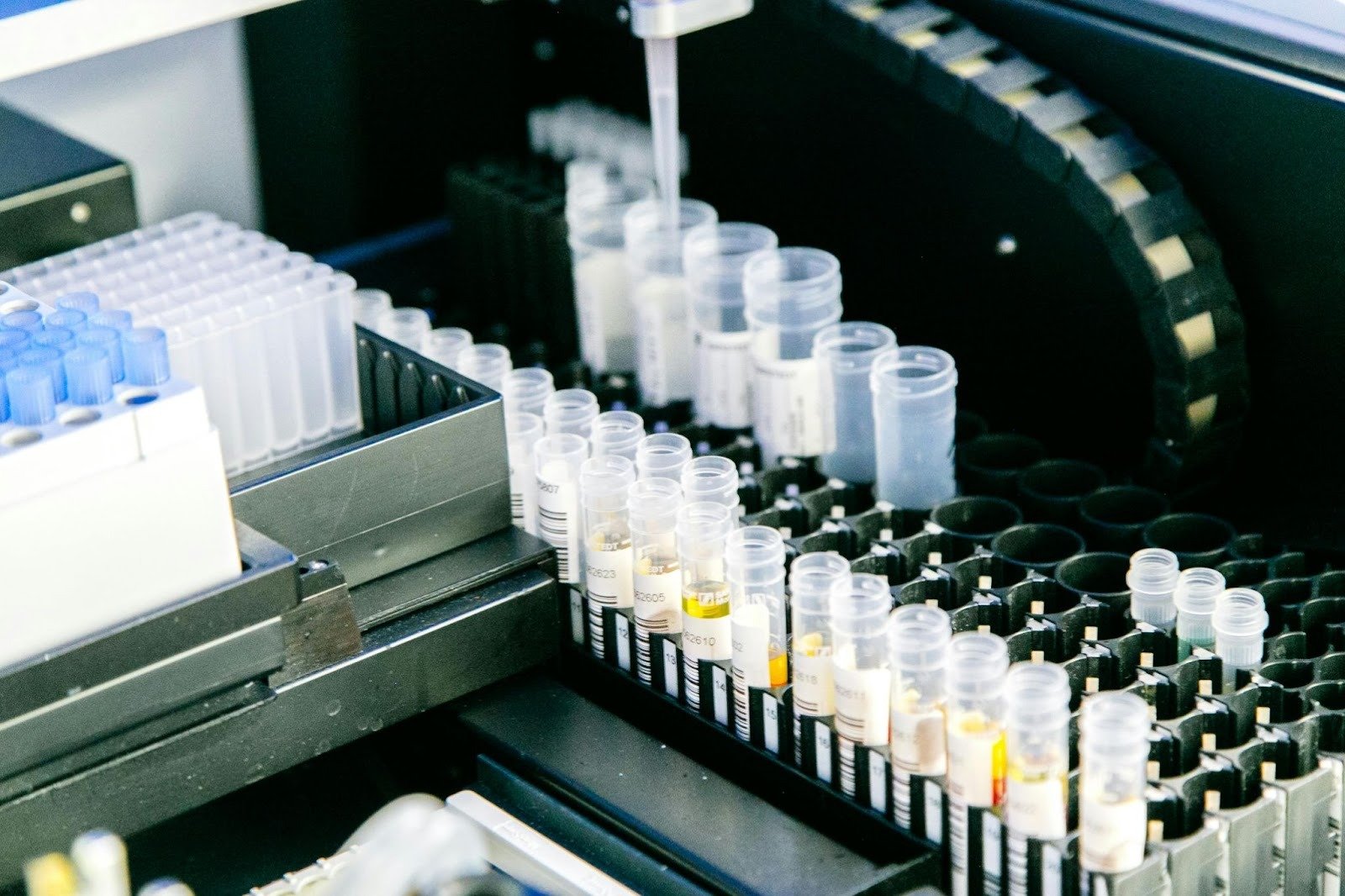
Personalized medicine feels like a big idea on paper. It sounds bold and futuristic. Yet the real shift happens in small places. It happens in narrow wells on sturdy plates. It happens in quiet rooms where machines hum in calm cycles. It happens in labs that rely on consistency as much as curiosity.
Every drop matters. Every decision shapes a result. The move toward personalized care shows up through these tiny steps.
A New Push for Accuracy in Lab Work
Researchers chase accuracy with a kind of devotion. They handle long workflows with tight schedules. They juggle samples that react to the smallest nudge. This is where automated liquid handling steps in as a steady partner. It slides into many routines without drama. It lifts the burden of tasks that drain energy fast. It also helps teams hit higher standards without slowing down. The tech blends into the background. It still changes everything.
The interest in this shift grows each year. Many labs feel pressure to deliver faster. They also feel pressure to cut errors that sneak in through repetition. Automation steps into this gap. It brings a sense of balance. It offers a reliable hand when the day gets messy.
See also: How Emerging Tech Is Transforming Healthcare
Automation Builds the Foundation for Personalized Care
Personalized medicine demands a new level of trust in the data. Each patient carries a unique story in their cells. No two samples behave the same. A small slip can shake the entire chain of results. Automation builds a sturdy base for this kind of work. Machines follow instructions with calm focus. They also stay consistent across long stretches of time.
This matters more than most people think. Precision sits at the heart of every personalized therapy. If one step drifts off course, the whole picture becomes blurry. Automation strengthens that picture. It brings clarity where guesswork once lived. It gives teams space to examine patterns with clean data. It also frees researchers to focus on insight instead of chores.
The Power of Repeatability
One quiet strength of lab automation lies in repeatability. Human effort comes with natural shifts. A tired hand moves slower. A rushed moment leads to a mild tilt in a pipette. These small quirks build up. Automation removes this weight. Machines deliver the same motion again and again. They move with confidence that does not fade.
Repeatability also brings fairness to the process. Each sample receives the same care. Each well sees the same volume. Researchers gain a sense of control they did not have before. It feels almost like turning down the noise in a loud room. The signal grows clear. The work becomes easier to trust.
Scaling Up Without Losing Quality
Personalized medicine may sound personal. Yet it still relies on scale. Labs need to process more samples than ever. They need to move through wide batches without breaking stride. Automation helps teams handle this expanding load. It brings strength without forcing them to lower their standards.
Scaling by hand drains time fast. It also drains patience. Automation supports this new demand with a steady pace. It helps labs grow without adding chaos. It makes the workflow feel lighter even as the workload expands.
The Human Side of Automated Tools
Some people worry automation might squeeze the human part out of science. The truth looks very different. Automation supports people. It does not replace them. It opens room for deeper thinking. It removes the grind from repetitive steps. It gives researchers mental space to review results with fresh eyes.
The human mind thrives when it is not stuck in routine. Creativity needs free air. Troubleshooting needs focus. Automation helps create that space. It turns time-consuming tasks into simple cycles. It lets scientists step back and look at the bigger picture. In many ways, the tech makes the work more human.
Why Personalized Medicine Needs This Level of Detail
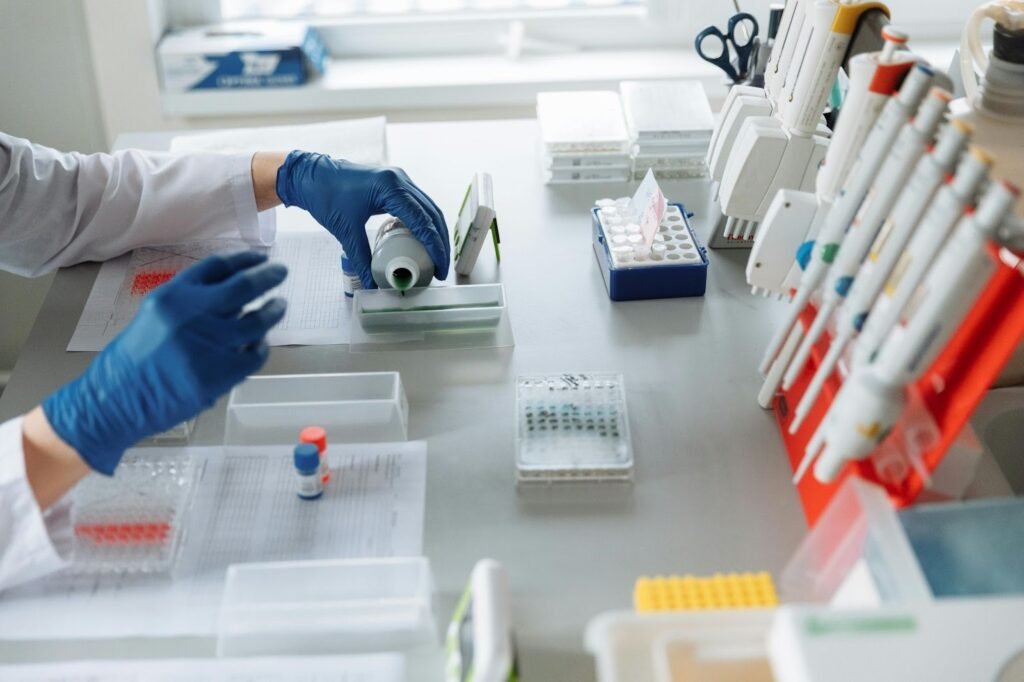
Personalized care demands a deep look into the body. It calls for exact measurements. It requires clean datasets. It also depends on workflows that do not shift with mood or fatigue. Automation fills this need with precision that stays the same from sample to sample.
This level of detail leads to more reliable insights. It also supports faster development of targeted therapies. Many breakthroughs appear when teams can trust their starting points. Automation strengthens those starting points. It raises confidence in the data. It brings stability to decisions that impact real lives.
The Path Ahead
Automation will continue to shape the future of personalized medicine. The movement grows in quiet steps. Yet each step builds a stronger foundation. Researchers gain more time. They gain more accuracy. They gain a sense of control that once felt out of reach. Personalized care thrives on this foundation. It depends on tools that handle tiny tasks with sharp precision.
The journey to personalized medicine moves forward one well at a time. Automation makes that journey smoother. It brings order to complex workflows. It creates room for deeper insight. It also helps turn bold ideas into practical steps that fit inside a small plastic plate.