From Data to Decisions: How Retail Analytics Software Transforms In-Store Performance
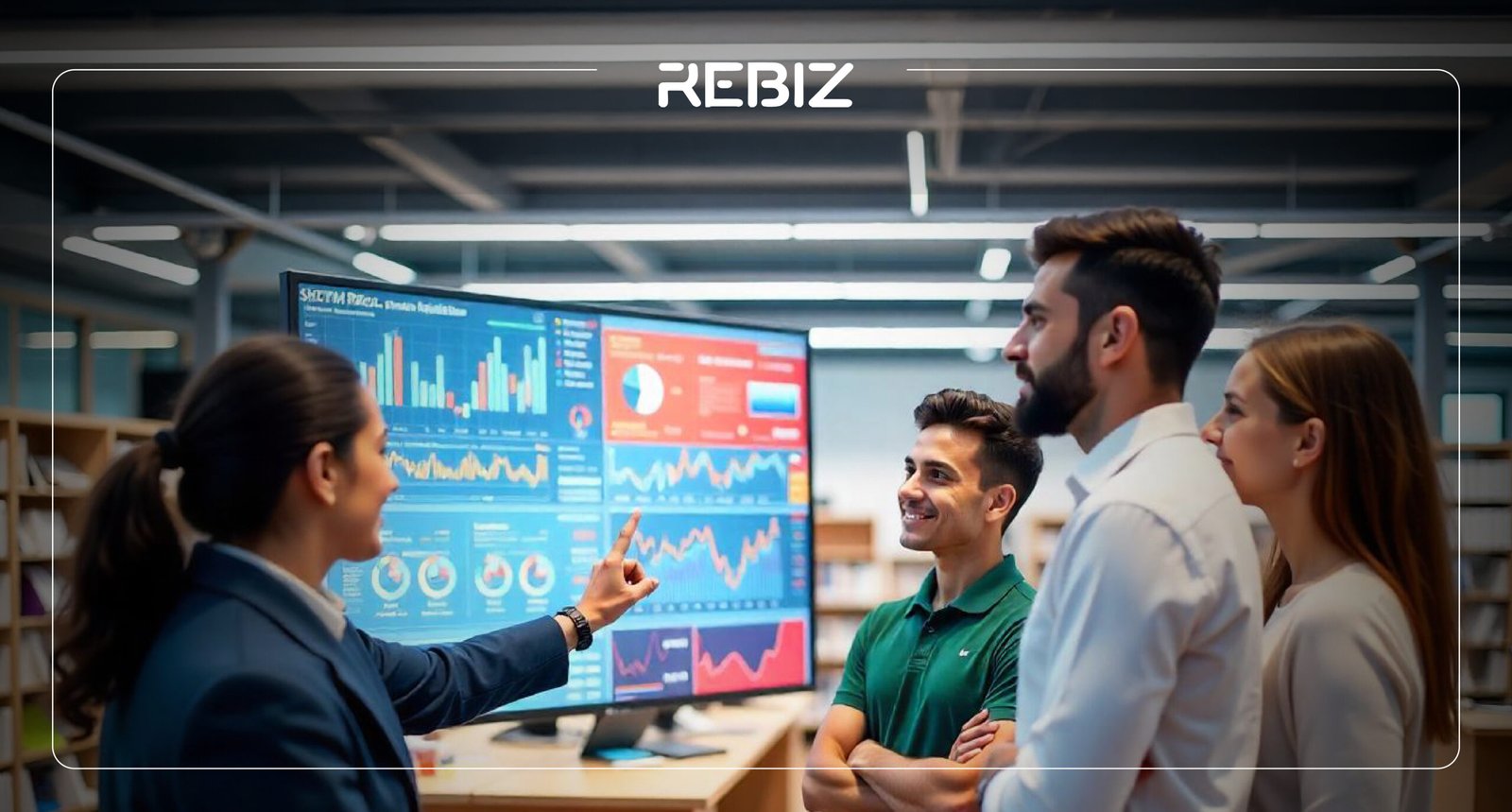
In the hyper-competitive world of retail that we see today, every move made by a customer, every product they browse and every purchase is adding to a repository of extremely valuable data. But unless retailers have good analytical tools to parse all that information, they may be missing out on valuable insights that could help them grow. This is where retail analytics software comes in — it takes raw data and turns it into strategic decisions that improve in-store performance.
Whether it’s monitoring shopper trespassing statistics, or managing repeat visits, footfall counter and retail analytics solutions are some of the most powerful pieces of technology available to retailers today. Let’s take a look at how that technology is reshaping the in-store experience.
The Evolution of Retail: From the Gut to Data-Driven Strategy
Retail decisions traditionally were based on gut feeling and what worked in the past. Managers used observation to guess how many people come into the store, what were top-selling products or how to schedule staff. But amid mounting competition and evolving consumer behavior, gut instincts no longer cut it.
A retail analytics solution removes guesses and instead delivers data-driven intelligence. It consolidates insights from multiple sources — feet traffic counters, POS systems, customer feedback and inventory tools to provide a full picture of the store’s performance.
This transition from intuition to information enables retailers to make better, quicker and more profitable decisions.
Understanding Retail Analytics Software
Essentially, retail analytics software is a robust system that collects and mines data across all online and offline communications. It enables retailers to monitor metrics such as:
Customer foot traffic
Conversion rates
Average transaction values
Dwell time
Product performance
When coupled with footfall counter, it can even track how many people enter a store, how long they linger and what sections they pay attention to most. A level of visibility that enables retailers to make data-driven decisions and match operational, marketing, or merchandising strategies with actual customer behavior.
The Importance of footfall counter within Retail Analytics
footfall counter are the silent workhorses of retail reporting. These devices — often deployed at entrances and key locations throughout schools — can track precise data points about how many people are coming through doors and where they are moving.
Here’s how they add value:
Precise Traffic Measurement: footfall counter record the actual number of people who came reviewing making performance evaluation less subjective.
Peak Hour Reveal: They tell you the most popular time of day for stores, so you can stay staffed and resourced better.
Zone Analysis: Retail stores can see what sections of their stores receive the most traffic and modify layouts to maximize foot traffic there.
Insights into Conversion: Administrators can use footfall counts in combination with sales data that results from the store traffic to estimate how many visitors actually made a purchase – a key indicator for increasing conversion rates.
When combined with retail analytics software, this data becomes actionable, helping store operations run smoother and become more profitable.
Importance of Retail Analytics Software
a) Enhanced Customer Understanding
Retail analytics is what enables you to figure out who your customers are, what they like, and how they act when in store. footfall counter and POS patterns can be used for customer segmentation, such as based on demographics or visit frequency (or even purchase behaviour) that lets retailers deliver more individualised experiences.
b) Optimized Store Layout and Goods Placement
Using heatmaps and traffic-flow data, retailers can redesign store layouts to drive customers toward high-margin products or slow-moving categories. Retail analytics software pinpoints the areas that require better visibility, signage or promotions.
c) Improved Inventory Management
Analytics aid in lining up stock with demand. Through monitoring which products are most popular, as well as any that go untouched, stores can avoid overstocking and reducing waste.
d) Smarter Staffing Decisions
Using footfall counter provides data on busiest shopping times, helping managers to appropriately staff the store. This guarantees clients immediate support every time, with no additional labor expense.
e) Better Marketing ROI
By correlating campaign data with foot traffic and sales results, retailers can analyze which promotions really work to drive metrics that matter. And it is this insight that enables marketers to hone in on the strategies that matter and squeeze every ounce of RIO from their resources.
Read Also: How Emerging Tech Is Transforming Healthcare
Real-World Impact: The Role Analytics Plays in Performance
Consider a retail chain that observes variation in its weekend sales. Now, with footfall counter data combined in their analytics software, they see that visitor numbers are up but conversions rates down.
After digging deeper, they realize that the displays for new products near the door are not captivating. Sales start to rise after schedules are rearranged and layouts revised.
This is a clear example of how retail analytics software can translate raw information directly into real-world gains — in this case, by optimizing everything from your visual merchandising to the satisfaction of shoppers.
Connecting footfall counter to Retail Analytics Software
Ideally, footfall counter will be part of the wider analytics eco system utilized by retailers. Today’s retail analytics software tools process multiple streams of data, pulling from:
Video-based footfall counter
Wi-Fi and Bluetooth tracking
Point-of-sale systems
CRM and loyalty programs
This combination provides a 360-degree perspective on in-store behavior — here from walk-ins to checkouts.
Also, the AI and machine learning models available in retail analytics software can forecast customer patterns, anticipate demands, and automate decision-making which is raising the bar for retail intelligence.
Challenges and the Road Ahead
There are downsides to gain however, and the complex issues when implementing retail analytics software and footfall counter:
Ensuring data privacy and compliance
Managing integration with legacy systems
Teaching Staff to Read Analytics Reports
But problems like these are increasingly simple to solve as technology progresses. Those who do adopt the technology are setting themselves up for future-ready, data-centric operations.
Conclusion
Today, in the digital universe, data being is being called the currency of retailer success. Retail analytics software and footfall counter are more than tools, they serve as a change engine for retailers to gain insight into their consumers, achieve operational excellence, and increase profitability.
Through the transformation of data into learnings, retailers can close the loop between tactics and strategy to ensure every decision is a move toward measurability. The stores adopting analytics today are the ones driving tomorrow’s retail revolution.
FAQs
1. What is retail analytics software?
Retail analytics software is a digital tool that compiles, processes and displays data captured from retail channels such as footfall counter, sales systems and customer databases in the aim of enhancing decision making in-store.
2. How do footfall counter work?
footfall counter, which usually rely on sensors or cameras, count the number of people that enter, exit or walk through a store. This data is used to understand foot traffic, peak times and conversion rates for retailers.
3. Is retail analytics software for small businesses?
Absolutely. By monitoring customer traffic in stores, even small shops can discover customers’ behaviour patterns and learn how to rent manpower efficiently so that sales would soar.
4. Is retail analytics software expensive?
Prices differ depending on attributes and size. Most suppliers provide scalable options to suit small, medium and large retail stores.
5. What can you accomplish by incorporating foot traffic data into your marketing efforts?
Analyzing the timeline of campaigns against the foot traffic and sales spikes makes it possible for retail analytics software to help marketers recognize which promotions are truly successful, resulting powerful, better-targeted higher-ROI campaigns.