Complex Trauma Treatment — Pathways to Healing and Resilience
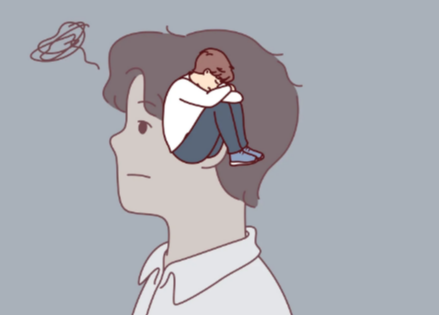
When someone experiences repeated, prolonged, or interpersonal trauma—especially in childhood or over many years—the effects can be deep, pervasive, and enduring. This is often described as complex trauma. Finding an effective complex trauma treatment approach is crucial for helping survivors reclaim their lives, regulate emotions, and restore a sense of safety.
If you or a loved one are seeking professional support, one option is complex trauma treatment via therapy — for example, specialized trauma therapy such as offered at In this article, we’ll explore:
- What defines “complex trauma”
- Why it’s different (and often more challenging) than PTSD
- Key treatment principles and evidence-based modalities
- Practical tips for therapists, survivors, and caregivers
- How to evaluate a treatment program
What Is Complex Trauma?
Complex trauma generally refers to exposure to multiple, repeated, and often interpersonal traumatic events, typically beginning in childhood (e.g. chronic abuse, neglect, domestic violence, repeated betrayal, prolonged emotional trauma). These experiences disrupt development and attachment, not just causing a single traumatic response but altering the person’s sense of self, regulation, and relationships.
Unlike single-incident trauma (e.g. a car crash, natural disaster), complex trauma often:
- Occurs over time
- Involves caregivers or trusted figures
- Interferes with developmental stages (emotional regulation, identity formation, attachment)
- Leads to a constellation of symptoms beyond those of classic PTSD
Because of that complexity, treating it often requires an integrative, phased, and multimodal approach.
Numerous studies have found that people with complex trauma histories more frequently show more severe psychopathology, cognitive deficits, dissociation, and relational disturbances than those exposed to noncomplex trauma.
The ICD-11 now includes Complex Post-Traumatic Stress Disorder (CPTSD) as distinct from PTSD, highlighting additional symptom clusters such as disturbances in self-organization: emotion dysregulation, negative self-concept, and relational difficulties.
Because of its pervasive impact, complex trauma treatment needs to address not only intrusive memory symptoms, but also foundational issues like emotional regulation, identity, relational trust, and meaning.
Why Complex Trauma Requires a Different Treatment Approach
1. Broader Symptom Domains
Survivors often present with multiple comorbidities: mood disorders, anxiety, dissociation, somatic difficulties, self-harm behaviors, personality symptoms, relational instability, and more. A narrow PTSD protocol alone may not sufficiently address all these facets.
2. Developmental & Attachment Injuries
Since many exposures happen early in life, they interfere with attachment formation, emotion regulation capacity, self-concept, and interpersonal boundaries. Thus, treatment often must begin by rebuilding safety, trust, and internal containment before engaging trauma work.
3. Risk of Overwhelming Re-Traumatization
Because emotional regulation is often compromised, diving prematurely into exposure or trauma processing can retraumatize or destabilize the client. This is why many experienced clinicians use phase-oriented models.
4. Integration Needs
Healing must go beyond symptom reduction. For many, identity, relationships, somatic integration, meaning, and agency must be reclaimed. A holistic, multimodal, and person-centered approach is usually more effective.
Key Principles of Effective Complex Trauma Treatment
Below are foundational principles often agreed upon by clinicians and research:
- Safety and Stabilization First
Ensure physical, emotional, relational, and environmental safety. Build coping skills, boundaries, and affect regulation capacities before delving into deeper trauma processing. - Phase-Based or Stage Model
Many therapists use a multi-stage model:
- Phase I: Stabilization, skills training, safety
- Phase II: Trauma processing or desensitization
- Phase III: Integration, reconnection, meaning-making
- This structure helps minimize overwhelm and supports resilience.
- Trauma-Focused Modalities as Central Tools
Once the client is stable, trauma-focused therapies such as Trauma-Focused CBT, EMDR, exposure-based techniques, CPT, and narrative therapies can be applied. Evidence supports their efficacy in reducing PTSD symptoms even in complex trauma populations - Integration of Adjunctive Approaches
To address dissociation, somatic dysregulation, relational wounds, and identity, complementary modalities may be needed:
- Somatic therapies / body-based work
- Mindfulness, sensorimotor psychotherapy
- Dialectical Behavior Therapy (DBT) or DBT elements for borderline traits or emotional dysregulation
- Internal Family Systems (IFS), parts work
- Narrative or expressive therapies (e.g. journaling, art therapy)
- Therapeutic Relationship & Relational Repair
Because relational trauma is often central, the therapeutic alliance can itself be reparative. Trust, attunement, attested empathy, calibration, and pacing are critical. Many survivors benefit from corrective relational experiences in therapy. - Tailoring and Flexibility
One size does not fit all. The therapist must flex pacing, modality, intensity, and strategies based on the survivor’s capacities, resources, and safety. - Ongoing Monitoring & Adjustment
Progress should be monitored (symptoms, relational functioning, quality of life). The protocol may shift if a client is stuck, overwhelmed, or regressing.
Evidence Base and What Works
Trauma-Focused Psychotherapies
A retrospective evaluation in a specialist trauma service found that trauma-focused psychotherapy (TF-CBT, EMDR, or a combination) led to significant reductions in PTSD, depressive symptoms, functional impairment, and proxy CPTSD measures compared to stabilization alone.
A meta-analysis of psychological interventions for complex trauma showed that trauma-focused treatments were effective in reducing PTSD, depression, and anxiety symptoms.
A newer study in 2025 confirmed that psychotherapies significantly alleviated PTSD, depression, anxiety, and dissociation in complex trauma survivors, and many gains held at follow-up.
However, the evidence also demonstrates limitations: treatment effects are often smaller for non-PTSD symptoms (e.g. relational issues), and veterans seem to show lower effect sizes.
Phase-Based Models
Phase-oriented interventions are recommended in many guidelines and clinical reviews as best practice for complex trauma given the risk of destabilization when jumping straight into trauma work.
Emerging Approaches & Neuroscience Insights
Recent conceptual models are reframing CPTSD through predictive processing frameworks, suggesting that prolonged trauma distorts how the brain predicts sensory, interoceptive, and social signals — contributing to dysregulation, negative self-appraisals, and relational mistrust.
There is growing interest in integrating bottom-up somatic, sensorimotor, and interoceptive work alongside top-down cognitive and narrative modalities, aiming for deeper mind-body integration.
How to Evaluate a Complex Trauma Treatment Program
If you are looking for a trauma treatment provider or program, these criteria can help you assess quality:
- Safety and stability emphasis: Does the program begin with stabilization, skill-building, and pacing before exposure?
- Multimodal treatment: Does the approach include trauma-focused therapy plus adjunctive supports (somatic, relational, parts work)?
- Clinicians trained in trauma and complex cases: Are therapists experienced specifically in complex trauma, dissociation, developmental trauma?
- Flexibility and individual tailoring: Does the program adjust to each client’s pace and capability?
- Relational and group components: Are there opportunities for relational healing (e.g. group support, relational repair)?
- Outcome measurement and monitoring: Does the program use standardized assessments, track progress, and adapt?
- Continuity and aftercare: Is there follow-up, relapse prevention, ongoing support?
Practical Tips for Survivors & Caregivers
- Prioritize safety and self-care
Healing is not a race. Seek support, regulate your environment, build grounding practices, and don’t push too hard too fast. - Learn emotion regulation skills
Mindfulness, distress tolerance strategies, breathing, grounding, body awareness help reduce overwhelm. - Pace trauma processing
Only move toward exposure when you have adequate coping, regulation, and support — otherwise, it may harm more than help. - Choose a trauma-informed therapist
Prefer clinicians with training in CPTSD, dissociation, developmental trauma, and an integrative orientation. - Consider peer support & relational healing
Trauma often severs trust. Safe and structured peer or group work can help rebuild relational capacity. - Track progress, setbacks, and triggers
Keep a journal or use apps to monitor symptoms, triggers, and shifts; share this data with your clinician. - Embrace patience, compassion, and meaning-making
Recovering from complex trauma is a long journey. Celebrate small gains, allow grief, and integrate meaning, identity, and hope.
Summary & Call to Action
Complex trauma is deeply damaging and multifaceted — but recovery is possible. The most effective complex trauma treatment models combine stabilization, trauma-focused work, somatic and relational modalities, and flexible tailoring to the survivor’s pace and needs.
When you look for a provider, prioritize safety, experience, tailored care, and continuity. And remember: recovery is not linear — it’s relational, integrative, and lived one step at a time.
If you’d like help adapting this for guest posting or outreach in your niche, or customizing anchor text strategies or outreach angles, let me know — I can assist further.