Top Trends in Brisbane Home Design for 2026: What Owners Want

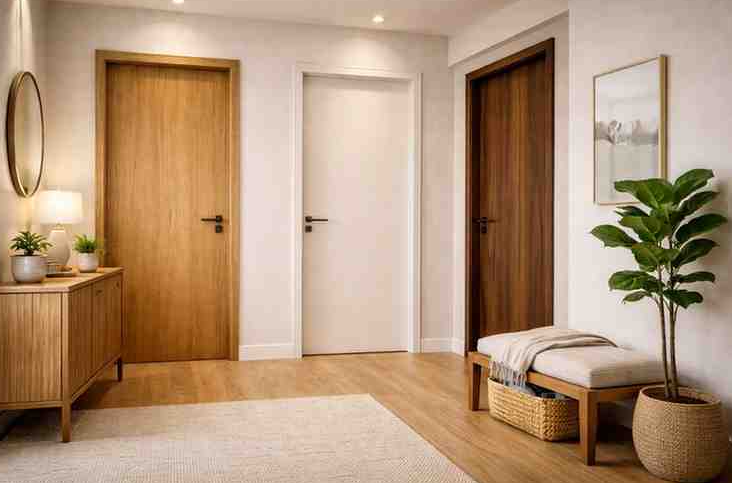
The 2026 home design trends in Brisbane are prioritising practicality over everything else. Homeowners are now ditching the stark white walls and cool greys for warm mocha tones and terracotta colours because they work beautifully with Queensland’s natural light.
But it’s not limited to paint colours only. People also want homes that handle our subtropical climate without cranking the air con all day. At Begbie Bentham, we know how to build houses with indoor-outdoor spaces that you’ll use year-round.
In this guide, we’ll walk you through what’s working in Brisbane custom homes right now and why these design choices make sense for our weather. You’ll also see how the best trends combine style with true comfort.
Ready? Let’s begin.
What Home Design Trends Are Brisbane Owners Choosing in 2026?
The biggest Brisbane home design trends for 2026 are warm, earthy colours, biophilic elements, and climate-smart technology. Plus, the trends focus more on creating spaces that suit our climate and lifestyle.
Here’s what’s dominating new home designs across Brisbane right now:
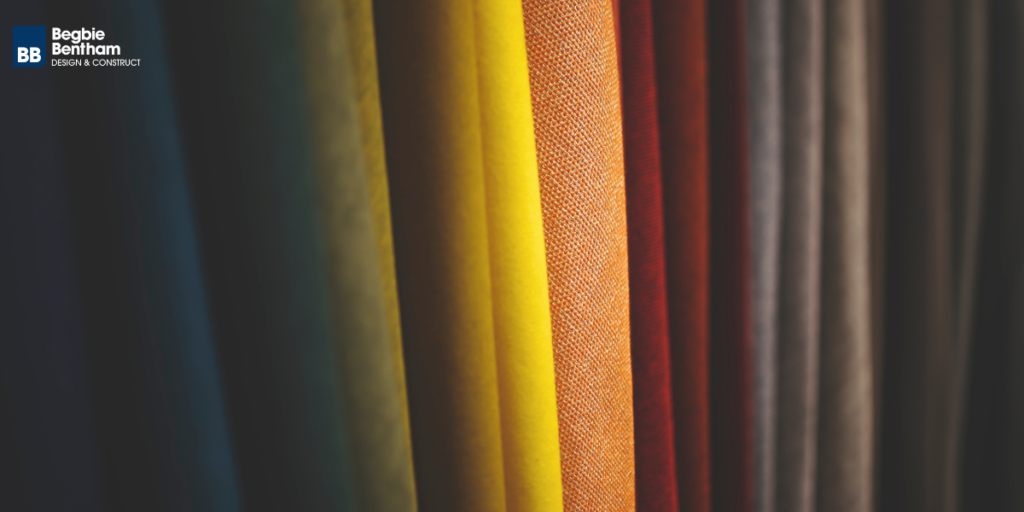
- Warm earthy colour palettes: Think mocha browns, terracotta reds, and creamy neutrals that bring life back into this city’s homes. They look great in our light and feel far more inviting than those old cool greys.
- Biophilic design elements: A few plants or raw textures can make a home feel calm and alive. It’s an idea that flows right into the use of natural timber and organic materials.
- Smart energy systems: Real-time monitoring shows where your power goes during summer, while automated blinds block harsh sun before your house heats up. They’re clever upgrades that make your home cheaper to run and easier to live in.
Once you live in a place that fits the weather, you’ll never go back.
See also: ADHD Treatment Centers San Diego: Finding the Right Support for Long-Term Success
Why Are Warm Neutrals and Earthy Tones Taking Over Brisbane Homes?
In Brisbane, our afternoon sunshine turns everything golden. This is when cool greys fall flat, but warm mocha and terracotta shades glow beautifully. It’s like the light and colour were made for each other.

Curious to know how these combinations work? Keep reading.
Mocha and Terracotta Colour Palettes
The best part about mocha and terracotta tones is that they give our homes warmth and depth, which appear excellent under our golden afternoon glow. Mocha browns work well in living areas where Brisbane daylight hits. Use them on feature walls or throughout entire rooms.
Meanwhile, terracotta brings Queensland’s red earth character inside. It looks great here because it reflects our natural landscape, including clay soils around Samford and warm stone in heritage Queenslanders (a little rustic… but in the best way).
For example, imagine terracotta accent walls with cream trim paired against spotted gum shelving. We’ve witnessed how amazing this combination looks in custom homes from Paddington to The Gap.
Pro tip: Use warm metals like brass or bronze in fittings and handles. They complement mocha and terracotta perfectly.
Natural Timber and Organic Materials
Natural timber adds character to your home and handles Brisbane’s humidity better than most materials. That’s why more people are swapping painted cabinets for walnut or spotted gum.
In fact, spotted gum performs well here because it’s a local timber that naturally resists moisture.
Then there are stone benchtops, rattan pendant lights, and woven textures, which add visual interest without cluttering your space.
Now, we recommend mixing these materials because each brings a different texture. Like, smooth stone against rough timber against soft rattan creates depth that painted surfaces can’t just match.
Most importantly, natural materials age gracefully. That walnut benchtop develops a richer patina over time, and choosing Australian timbers reduces your environmental impact compared to importing synthetics from overseas.
How Does Subtropical Design Work With 2026 Trends?
Now that you know the colour trends, let’s talk about how Brisbane’s condition influences your home design. As we mentioned earlier, the 2026 design trends take this place’s hot summers and mild winters into account, so every space feels natural to live in.
Next, we’ll cover how to design your spaces and use passive cooling.
Indoor-Outdoor Living Spaces
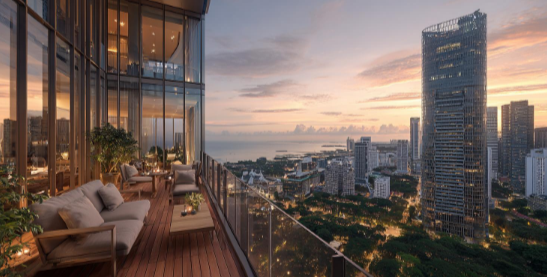
The reason indoor-outdoor design works so well here is that you get more usable space. The city’s warm subtropical climate makes it possible to move easily between interior and exterior areas, so patios, verandas, and courtyards remain functional all year.
Do these things to create an indoor-outdoor space:
- Large sliding or stacking doors: Open up wide to connect your living room and patio. When you can see straight through to your garden, it’ll make your whole house feel bigger (who doesn’t want that?).
- Covered outdoor rooms: Proper outdoor kitchens with built-in BBQs and ceiling fans prepare the space for everyday use. From our experience, Brisbane households consistently treat these covered areas as extensions of their main living zones.
- Matching flooring inside and out: Use the same tiles or similar timber tones so everything feels connected. It’s a little design trick that influences you to see one big area instead of stopping at the doorway.
It’s this city’s dream, really… living comfortably between sunshine and shade.
Passive Cooling and Cross-Ventilation
Do you know the best thing about passive cooling? It simply uses window placement and natural airflow to keep your Brisbane home comfortable. You won’t even need to use air conditioning constantly.
Follow the steps below to achieve those effects:
- Strategic window placement: Place your windows where they can catch those cool northeasterly breezes. Even better, put them on opposite walls so the air can sweep right through.
- High ceilings with ventilation: Those 2.7-metre or 3-metre ceilings allow heat to go somewhere instead of sitting at head height. Also, don’t forget to pair them with ceiling fans and louvred windows for airflow even on still summer days.
- Proper solar orientation: North-facing living areas soak up the warm winter sun, while deep eaves keep out the harsh summer rays. If you get this right from the start, your home will stay comfy all year without needing the air con running non-stop.
In our climate, good airflow is worth more than the biggest air conditioner.
What Smart Home Features Suit Brisbane’s Climate Best?
Energy monitoring and automated shading are ideal for this city’s subtropical conditions. Why? It’s because they help you stay comfortable while cutting energy costs.
Let’s get into more detail about these features.
Energy Monitoring and Solar Integration
Real-time energy monitoring shows where your money goes during Brisbane’s hot summers. It lets you detect which appliances waste power and fix them fast.
Another thing is solar panels, which keep your home running by powering you through the day, cooling the house, and storing extra energy for night (gotta love that free power!). They even help your air conditioner pre-cool the house before you get home.
In our experience, most custom homes in Kenmore and Ashgrove include solar from day one. Solar makes your home run smoother and cooler while using free sunshine.
Automated Shading Systems
The beauty of automated shading is how it functions before the heat even hits. When the afternoon sun starts to blaze through, the blinds drop and keep your rooms cool and comfortable.
Here’s how to use it: Program your blinds to close automatically when harsh afternoon sun hits. Doing so also protects your floors and furniture for years to come.
Creating Your Dream Brisbane Home in 2026
Brisbane homes in 2026 are built for balance; they look good, feel comfortable, and make the most of our weather.
In this article, we’ve covered the trendy shift to warm neutrals and natural materials and how subtropical design creates usable space through indoor-outdoor living and passive cooling. We’ve also shared why smart energy systems have become important for Brisbane homes.
If you’re ready to see how these trends work in your custom home, get in touch with our team at Begbie Bentham. We’ll walk you through how these features come together on your block. Call us on (07) 3899 2500 or email info@begbiebentham.com.au to start the conversation.