Choosing the Right Cell Culture Medium for Optimal Cell Growth
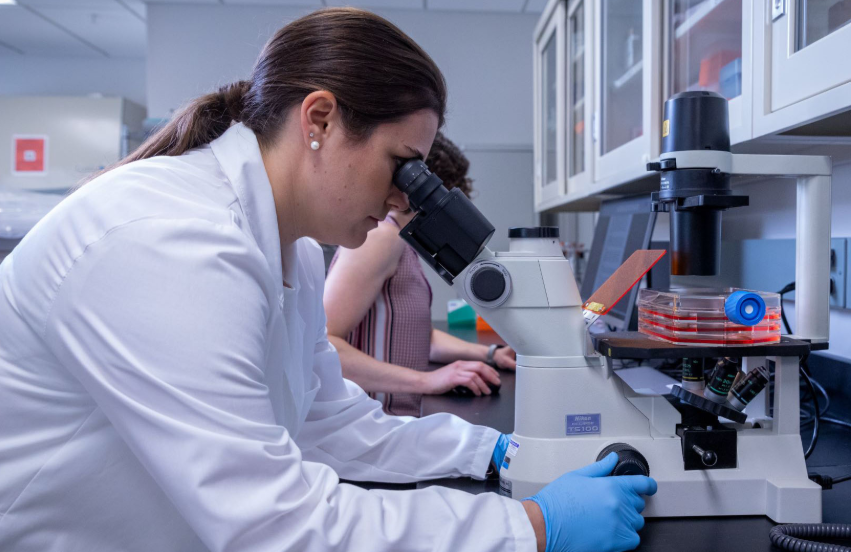
In the dynamic world of life sciences research, the foundation of every successful experiment involving cell cultures lies in one critical decision: selecting the appropriate cell culture medium. This isn’t merely about providing sustenance; it’s about creating a meticulously balanced environment that mimics the physiological conditions cells experience in vivo. From groundbreaking drug discovery to fundamental biological investigations, the choice of medium directly impacts cell viability, proliferation, differentiation, and even gene expression. A suboptimal medium can lead to misleading results, stalled experiments, and wasted resources. This guide delves into the essential considerations for choosing the right cell culture medium, empowering researchers to achieve optimal cell growth and unlock the full potential of their cellular models.
Understanding the Components of a Cell Culture Medium
A typical cell culture medium is a complex cocktail designed to meet the diverse nutritional and environmental needs of cells. Understanding its key components is the first step toward informed selection:
Essential Nutrients
These include amino acids (the building blocks of proteins), vitamins (cofactors for enzymatic reactions), glucose (primary energy source), and inorganic salts (maintaining osmotic balance and pH). The specific requirements for each of these can vary dramatically between cell lines. For instance, some immortalized cell lines, like HeLa cells, are known for their robust growth and adaptability, often requiring a standard cocktail of these nutrients, while more fastidious primary cells might demand specific amino acid profiles or higher concentrations of certain vitamins.
Growth Factors and Hormones
These signaling molecules regulate cell proliferation, differentiation, and survival. While some basal media contain basic growth factors, many specialized applications require the addition of exogenous growth factors, such as epidermal growth factor (EGF) or insulin, to promote specific cellular behaviors.
Buffering Systems
Maintaining a stable pH (typically between 7.2 and 7.4) is crucial for cell function. Bicarbonate-CO2 buffering systems are most common, requiring CO2 incubators to function effectively. Other buffers like HEPES are often included for additional stability, particularly when cultures are exposed to atmospheric CO2 for short periods.
Antibiotics
While often used to prevent bacterial contamination, the routine inclusion of antibiotics can mask low-level contamination and exert selective pressure on cells. Many researchers advocate for antibiotic-free culture conditions whenever possible, relying instead on stringent aseptic techniques.
Serum (e.g., Fetal Bovine Serum – FBS)
Serum is a complex mixture of proteins, growth factors, hormones, and attachment factors. It’s a common supplement due to its broad growth-promoting properties. However, serum-containing media introduce variability due to batch-to-batch differences and ethical concerns. Serum-free and chemically defined media are increasingly popular alternatives, offering greater consistency and control.
Key Considerations for Medium Selection
Choosing the ideal medium isn’t a one-size-fits-all endeavor. Several factors must be carefully weighed:
1. Cell Type and Origin
This is arguably the most critical factor. Different cell types have unique metabolic demands. Primary cells often require more complex, enriched media than established cell lines. For example, while Dulbecco’s Modified Eagle Medium (DMEM) or RPMI-1640 are commonly used for a wide range of adherent and suspension cultures, including many immortalized lines like HeLa cells, specialized media are required for stem cells, neurons, or immune cells to maintain their specific characteristics and functions. Always consult the cell line’s documentation or reputable cell banks for recommended media.
2. Experimental Goals
Your research objectives will dictate the level of control and specificity required.
- Proliferation studies: Focus on media that support high growth rates and viability.
- Differentiation studies: May require specific growth factors or serum-free conditions to induce differentiation pathways.
- Drug screening: Chemically defined, serum-free media minimize variability and potential interference from serum components.
- Protein expression: Media optimized for high protein yield might be necessary.
3. Serum vs. Serum-Free vs. Chemically Defined Media
- Serum-containing media: Cost-effective for routine culture, promotes robust growth, but introduces variability and ethical concerns.
- Serum-free media (SFM): Reduces variability, simplifies downstream purification, and is often preferred for drug discovery and vaccine production. May require adaptation periods for cells.
- Chemically defined media (CDM): Fully defined components, offering ultimate control and reproducibility. Ideal for sensitive experiments but can be more expensive and require specific cell adaptations.
4. Special Additives and Supplements
Beyond basic components, many experiments necessitate specific supplements. These can include:
- Attachment factors: Such as poly-L-lysine or collagen for adherent cells.
- Antioxidants: To mitigate oxidative stress.
- Selective agents: For maintaining genetically modified cells.
- Specific growth factors: To drive particular cellular processes.
See also: How Iot Is Revolutionizing Healthcare Delivery
Actionable Tips for Optimal Medium Selection and Use
- Consult Cell Line Databases: Always start by checking the recommended medium from reliable sources like ATCC or ECACC for your specific cell line. For HeLa cells, for instance, DMEM with 10% FBS is a common and effective choice, but variations exist depending on the specific sub-line and application.
- Gradual Adaptation: When switching media, especially from serum-containing to serum-free, adapt cells gradually over several passages to minimize stress and maintain viability.
- Monitor pH and Osmolality: Regularly check the pH of your media and consider monitoring osmolality, as deviations can significantly impact cell health.
- Aseptic Technique is Paramount: No matter how perfect your medium, contamination will ruin your experiment. Strict aseptic technique reduces the reliance on antibiotics.
- Quality Control: Source your media and supplements from reputable suppliers. Consistent quality is key for reproducible results.
- Optimize for Your Specific System: While general recommendations exist, subtle variations in lab conditions, equipment, and even operator technique can influence cell behavior. Don’t be afraid to conduct small-scale optimization experiments to fine-tune your medium choice.
Conclusion
The selection of a cell culture medium is far more than a routine task; it’s a foundational decision that profoundly influences the success and reliability of cellular research. By understanding the intricate composition of media, considering the unique demands of your cell type and experimental goals, and applying actionable best practices, researchers can create an optimal environment for cell growth and function. Investing time in this critical choice ensures not only healthy, thriving cells but also robust, reproducible data that drives scientific discovery forward.