How Iot Is Revolutionizing Agriculture
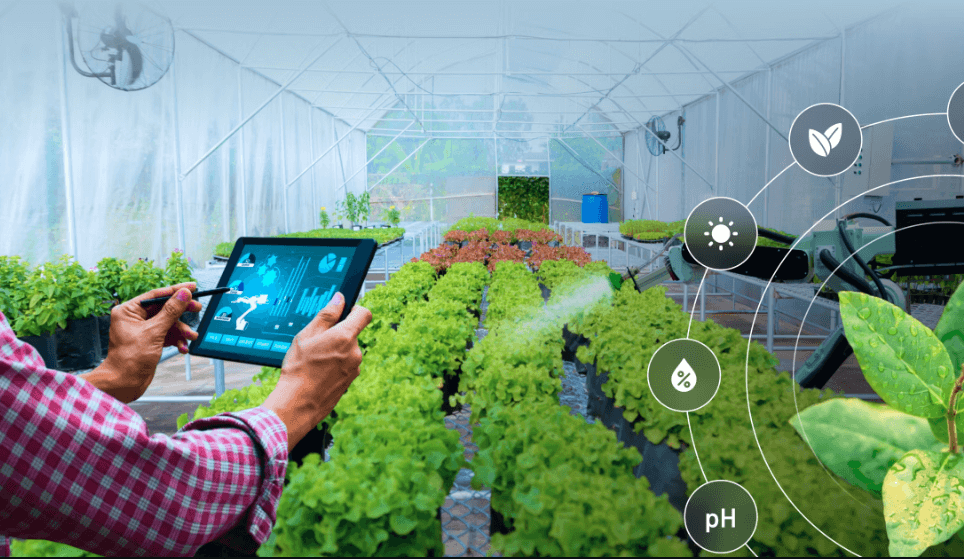
The integration of IoT technology in agriculture presents a significant shift in farming methodologies. Advanced sensors and devices enable real-time monitoring of critical factors such as soil health and crop conditions. This data-driven approach allows for precise management of resources, enhancing productivity and sustainability. However, the implications of these innovations extend beyond efficiency. What challenges and opportunities arise as traditional practices evolve in the face of this technological transformation?
Smart Farming: The Role of Sensors and Devices
As agriculture increasingly embraces technology, the integration of sensors and devices has emerged as a cornerstone of smart farming.
This sensor integration facilitates real-time monitoring of soil health, moisture levels, and crop conditions.
Data analytics transforms these inputs into actionable insights, empowering farmers to make informed decisions.
The result is a more efficient, responsive, and liberated approach to agricultural practices, enhancing both productivity and sustainability.
See also: How Emerging Tech Is Transforming Healthcare
Precision Agriculture: Optimizing Resources and Reducing Waste
Precision agriculture represents a transformative approach to farming that significantly enhances efficiency by optimizing resource use and minimizing waste.
Utilizing data analytics, farmers can make informed decisions regarding irrigation, fertilization, and crop management. This innovative practice promotes effective resource management, ensuring that inputs are applied precisely where needed.
Ultimately, precision agriculture empowers farmers to achieve sustainability while maximizing productivity and reducing environmental impact.
Livestock Monitoring: Enhancing Animal Welfare and Productivity
The integration of IoT technology extends beyond crops to encompass livestock management, providing farmers with tools to enhance animal welfare and productivity.
By monitoring animal health through wearable devices, farmers gain insights into behavior and physiological conditions.
This data facilitates improved feeding efficiency, ensuring animals receive optimal nutrition while minimizing waste, ultimately leading to healthier livestock and enhanced overall farm performance.
Climate Resilience: Adapting to Environmental Changes With Iot
While agricultural practices face increasing pressures from climate change, the integration of IoT technology offers innovative solutions to enhance climate resilience.
IoT devices facilitate real-time climate monitoring, allowing farmers to collect and analyze environmental data. This information empowers them to make informed decisions, optimizing resource use and adapting practices to changing conditions.
Ultimately, fostering sustainability and ensuring food security in an unpredictable climate landscape.
Conclusion
In conclusion, the integration of IoT in agriculture fosters a future filled with fruitful farming, finely-tuned practices, and fortified food security. By leveraging smart sensors and sustainable strategies, farmers can navigate the nuances of nature, ensuring both productivity and preservation. This technological transformation not only cultivates crops with care but also champions climate resilience, creating a harmonious balance between innovation and environmental stewardship. Ultimately, IoT paves the way for a prosperous and progressive agricultural paradigm.