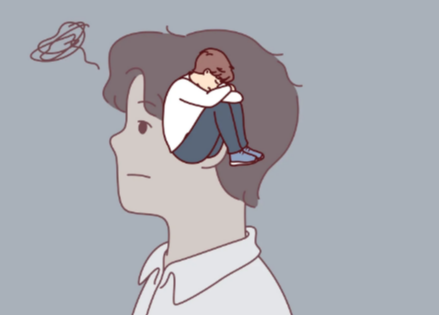
CBT for Anxiety: A Proven Approach to Lasting Relief

Anxiety is one of the most common mental health challenges worldwide, affecting millions of individuals each year. While occasional stress is a normal part of life, persistent and overwhelming anxiety can interfere with relationships, work, and overall quality of life. For those seeking effective treatment, CBT for Anxiety is one of the most widely recommended approaches. Cognitive Behavioral Therapy (CBT) has been extensively researched and proven to help individuals manage anxiety symptoms, challenge harmful thought patterns, and build healthier coping strategies.
CBT is more than just a form of talk therapy—it is a structured, goal-oriented treatment that equips people with practical tools they can use in daily life. Its evidence-based methods make it one of the most effective therapeutic options for reducing anxiety and preventing relapse.
What is CBT for Anxiety?
Cognitive Behavioral Therapy is a short-term, solution-focused form of psychotherapy that helps individuals identify and change unhelpful thoughts, beliefs, and behaviors. When applied to anxiety disorders, CBT focuses on breaking the cycle of worry, avoidance, and physical symptoms that keep anxiety going.
Through CBT, individuals learn how their thoughts influence emotions and behaviors. By addressing distorted thinking patterns, they can reframe negative beliefs and develop healthier ways to respond to stressors.
Why CBT is Effective for Anxiety
CBT is highly effective because it addresses the root causes of anxiety rather than just the symptoms. Some of the key benefits include:
- Identifying triggers – Clients learn to recognize the situations, thoughts, or events that spark anxiety.
- Challenging negative thoughts – Therapists guide individuals in questioning irrational fears and replacing them with realistic perspectives.
Exposure techniques – Gradual exposure to feared situations helps reduce avoidance behaviors and build resilience. - Skill-building – CBT teaches relaxation strategies, mindfulness, and problem-solving techniques that can be applied in everyday life.
- Long-term results – Unlike some treatments that only manage symptoms, CBT empowers individuals to make lasting changes in how they think and behave.
Research consistently shows that CBT is one of the most effective therapies for conditions such as generalized anxiety disorder, social anxiety disorder, panic disorder, and phobias.
How CBT for Anxiety Works
CBT is typically structured into weekly sessions that may last anywhere from 6 to 20 weeks, depending on the individual’s needs. The process usually involves the following steps:
- Assessment and goal-setting – The therapist and client work together to identify specific anxiety symptoms and set treatment goals.
- Psychoeducation – Clients learn about the connection between thoughts, emotions, and behaviors.
- Cognitive restructuring – Individuals practice identifying and reframing negative thoughts that fuel anxiety.
- Behavioral strategies – Clients engage in exposure exercises or role-playing to confront fears in a safe environment.
- Skill practice – Relaxation training, breathing exercises, and mindfulness help clients manage physical symptoms of anxiety.
- Homework assignments – Clients apply techniques outside of therapy sessions, reinforcing progress in real-world settings.
The collaborative nature of CBT ensures that clients remain active participants in their treatment, making it a hands-on approach that encourages empowerment.
Common Techniques in CBT for Anxiety
CBT uses a variety of evidence-based techniques to address anxiety. Some of the most effective include:
- Cognitive restructuring – Identifying irrational thoughts (e.g., “I’ll fail at everything I try”) and replacing them with balanced alternatives.
- Exposure therapy – Gradually facing feared situations (e.g., public speaking) until the anxiety response decreases.
Behavioral activation – Encouraging individuals to engage in activities that bring joy, confidence, or accomplishment. - Relaxation and mindfulness – Teaching deep breathing, grounding exercises, and meditation to calm the body and mind.
- Thought records – Writing down anxious thoughts, evaluating their accuracy, and reframing them with more realistic perspectives.
These tools allow individuals to gain control over their anxiety and build resilience for the future.
CBT for Different Types of Anxiety Disorders
CBT can be adapted to treat various anxiety disorders, including:
- Generalized Anxiety Disorder (GAD) – Helps manage chronic worry by challenging catastrophic thinking and teaching coping skills.
- Social Anxiety Disorder – Focuses on building confidence in social situations through exposure and cognitive restructuring.
- Panic Disorder – Addresses fear of panic attacks by teaching relaxation techniques and reducing avoidance behaviors.
- Phobias – Uses gradual exposure to feared objects or situations until the fear response diminishes.
- Obsessive-Compulsive Disorder (OCD) – Involves exposure and response prevention to reduce compulsive behaviors.
- Post-Traumatic Stress Disorder (PTSD) – Helps individuals reprocess traumatic experiences and reduce intrusive symptoms.
The adaptability of CBT makes it an effective treatment option across a wide spectrum of anxiety-related conditions.
Benefits Beyond Anxiety
While CBT is highly effective for anxiety, its benefits extend to other areas of mental health. Many individuals also find it helpful for depression, stress management, insomnia, and even chronic pain. By teaching lifelong coping skills, CBT enhances overall emotional resilience and well-being.
Self-Help and CBT Tools
In addition to professional therapy, many individuals benefit from integrating self-help CBT strategies into their routines. These may include:
- Practicing journaling to track anxious thoughts and patterns.
- Using mindfulness meditation apps to build awareness and relaxation.
- Setting small, achievable goals to build confidence.
- Challenging self-critical thoughts with evidence-based alternatives.
- Engaging in regular physical activity to reduce stress and improve mood.
When combined with professional CBT sessions, these tools help reinforce progress and encourage long-term success.
The Future of CBT for Anxiety
Advancements in technology are making CBT even more accessible. Online therapy platforms now provide digital CBT programs that allow individuals to connect with therapists virtually. Mobile apps also offer guided CBT exercises, thought journals, and coping strategies that can be accessed anytime, anywhere.
This digital integration expands access to CBT, ensuring that more individuals can benefit from this evidence-based approach.
Final Thoughts
CBT for Anxiety is a proven, practical, and empowering approach to mental health care. Addressing unhelpful thought patterns and teaching effective coping strategies, it helps individuals regain control of their lives and build resilience against future challenges. Whether experienced in-person or through online platforms, CBT remains one of the most effective ways to reduce anxiety and improve long-term well-being.
At Treat Mental Health California, individuals have access to compassionate professionals who specialize in CBT and are dedicated to helping clients achieve meaningful, lasting change.